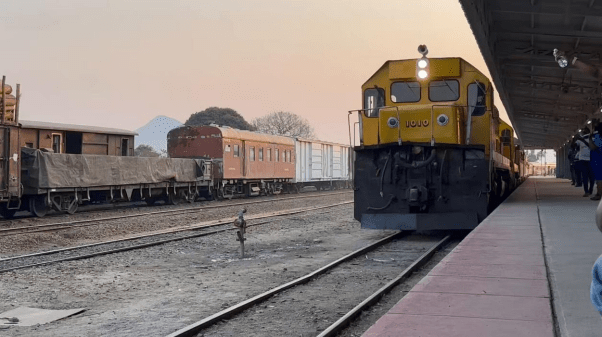
The National Railways of Zimbabwe (NRZ) has entered discussions aimed at resuscitating the country’s ailing national rail carrier through a proposed partnership with China Railway International Group (CRIG). Initial figures placed the value of the deal at around US$600 million as of September 2025, according to publicly available information. However, more recent reports suggest the scale of the project may be significantly larger.
By December 2025, revised estimates circulating in the public domain — including reports referenced by The Herald — indicated that the total cost of the NRZ transformation could rise to US$2.3 billion, underscoring the breadth of infrastructure rehabilitation and expansion now under consideration.
At the heart of the initiative is an ambition to restore Zimbabwe’s position as a regional logistics hub, lowering the cost of moving goods and passengers while improving reliability across key trade corridors. Proponents argue that a functional rail network is critical to decongesting roads, reducing transport costs for industry, and revitalising regional and cross-border trade.
This four-part series interrogates the proposed NRZ–CRIG engagement, focusing on:
- The scope of the proposed rail rehabilitation and expansion
- The financial and infrastructure models under consideration
- CRIG’s track record and global footprint
- Key risks, assumptions, and broader considerations
Proposed Scope
NRZ Recapitalisation: Scope, Opportunities, and Key Considerations
According to the National Railways of Zimbabwe (NRZ) website, recapitalisation will require approximately US$400 million in the short to medium term to restore operational efficiency and return the organisation to profitability. This figure represents the minimum required to stabilise operations; full rehabilitation and modernisation will require significantly more capital over a longer horizon.
The rail network is a strategic national asset. Its decline has had a direct impact on production costs, road congestion, road maintenance expenditure, and regional competitiveness. Reviving NRZ is therefore not merely a transport project, but an economic enabler with multiplier effects across mining, agriculture, manufacturing, and trade.
Below are the core areas requiring urgent attention.
Key Areas Requiring Investment
1. Signalling
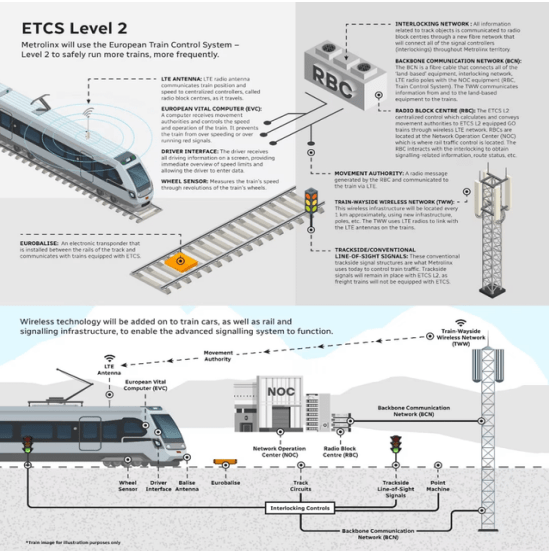
- Installation of modern radio-based and computer-interlocked track warrant systems is critical for safety, efficiency, and network capacity.
- Current signalling limitations reduce line speeds, increase accident risk, and restrict the number of trains that can safely operate on a corridor.
- Modern signalling will enable better traffic management, reduced delays, and improved reliability—key factors for attracting freight customers back to rail.
2. Track Infrastructure
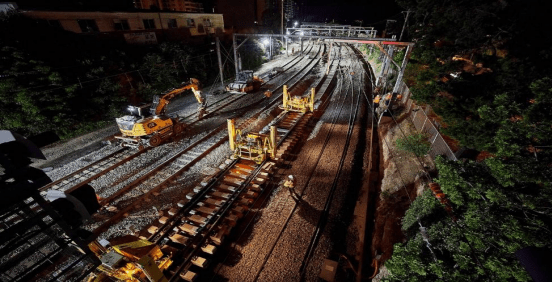
- Replacement of worn-out rail and sleepers using 45kg/m rail is necessary to support heavier axle loads and higher speeds.
- Extending railheads to directly serve customers at source (mines, industrial plants, grain depots) will significantly reduce “last mile” logistics costs.
- Without direct access, customers default to road transport, even where rail would otherwise be cheaper over long distances.
3. Electrical Installations
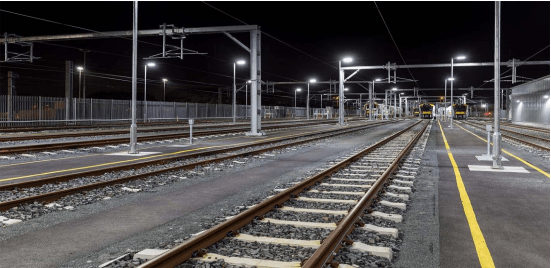
- Rehabilitation of yard lighting, substations, air conditioning systems, and high-tension (HT) reticulation will improve safety and productivity in yards and workshops.
- Many facilities currently operate below optimal capacity due to unreliable power infrastructure.
- Procurement of modern workshop equipment is essential to support in-house maintenance and reduce reliance on expensive external repairs.
4. Traction and Rolling Stock
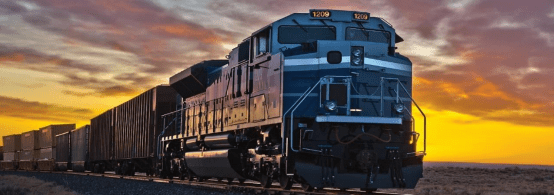
- The procurement of 24 new mainline locomotives, combined with the refurbishment of 15 mainline and 13 shunt locomotives, will increase fleet availability to 52 locomotives.
- This is a critical threshold for restoring dependable service and meeting freight demand.
- Additional investment includes:
- Procurement of 200 new wagons
- Refurbishment of 700 existing wagons
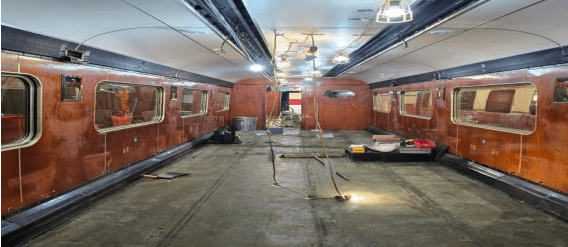
- Passenger assets also require attention, with the refurbishment of 142 coaches and 20 cabooses, ensuring safety, comfort, and regulatory compliance.
5. Plant and Equipment
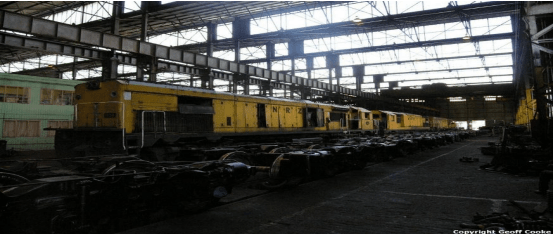
- Repairs to workshop buildings will restore core maintenance capabilities.
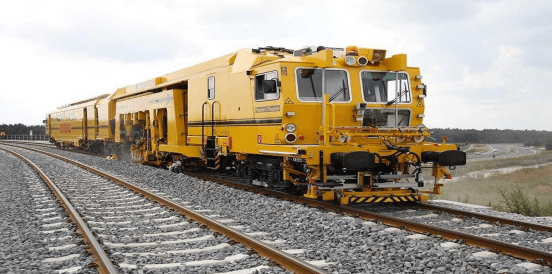
- Acquisition of modern plant and equipment (P&E)—such as bulldozers, ballast regulators, and heavy-duty tamping machines—is essential for sustainable track maintenance.
- Without this equipment, infrastructure deteriorates faster than it can be repaired, creating a recurring cycle of failure.
6. Information Technology
- Modernising hardware and software systems, alongside a full SAP rollout, will improve asset management, procurement control, financial transparency, and operational planning.
- Integrated IT systems are also a prerequisite for effective governance and accountability in a project of this magnitude.
- Further technical detail is available on the NRZ website under Recapitalisation – National Railways of Zimbabwe.
Key Considerations and Strategic Reflections
1. Flexibility and System Compatibility
- NRZ should avoid overdependence on single suppliers, particularly for signalling, locomotives, and IT systems.
- Where feasible, systems must be interoperable and standards-based, allowing components from different vendors to work together.
- This approach:
- Reduces long-term vendor lock-in
- Improves negotiating power on pricing
- Enables competitive maintenance and upgrade contracts
2. Harnessing Local Talent
- Zimbabwe has a strong base of engineering and technical skills within institutions such as Harare Institute of Technology and Bulawayo Polytechnic.
- These institutions can contribute through:
- System design and localisation
- Research and development
- Apprenticeship and graduate training programmes
- A practical example is the proof-of-concept tram developed by students at Harare Institute of Technology as a potential CBD shuttle solution.
- This initiative demonstrates that innovation capacity exists locally. With proper coordination, NRZ can reduce costs, build local ownership, and develop a pipeline of skilled professionals.
3. Meaningful Private Sector Participation
- Large mining companies are among NRZ’s biggest potential customers and beneficiaries.
- Allowing (or encouraging) these firms to develop private sidings and loading infrastructure reduces NRZ’s upfront capital burden.
- Shared-use agreements can enable:
- Lower freight costs for miners
- Increased volumes for NRZ
- Access for medium-scale mining operators who cannot afford standalone infrastructure
- This collaborative model aligns incentives and spreads risk across stakeholders.
4. Avoiding a “Money Pit”
- Initial estimates for full rehabilitation have increased from US$600 million to approximately US$2.3 billion, reflecting the true state of asset deterioration.
- Cost overruns are almost inevitable in projects of this scale, but they must be actively managed.
- This requires:
- Strong governance structures
- Transparent procurement processes
- Independent audits and milestone-based funding
- Without these safeguards, a project intended to revive a national asset could become financially unsustainable.
Closing Thoughts
While recapitalisation aims to revive the rail sector, the economic logic clearly favours freight over passenger services. Freight rail supports production, exports, and industrial growth—and delivers significantly higher margins.
Passenger services may be reintroduced gradually, focusing on high-demand corridors such as Harare–Bulawayo, but they are unlikely to be the primary revenue driver in the short to medium term.
If executed with discipline, accountability, and strategic partnerships, the NRZ recapitalisation programme has the potential to:
- Reduce national logistics costs
- Improve regional competitiveness
- Stimulate industrial and mining output
- Create skilled employment opportunities
Part 2 of this analysis will explore funding models, governance structures, and regional benchmarks. In the meantime, readers are encouraged to review the annexures to fully appreciate the scale and ambition of the rehabilitation effort.
Tapiwa Z. Chiri is a registered Chartered Accountant with the Chartered Accountants of Australia and New Zealand (CAANZ) and Institute of Chartered Accountants of Zimbabwe (ICAZ). He is an avid writer and has a deep passion for research and development.
 The Analyst’s Arena
Leave a comment